
He Powers HK Horse Racing With AI
I’ve interviewed Alex So, who's training AI to outsmart 200 years of racing tradition.
Howdy people from the 852,
Welcome to this week's edition of Better Read Paul, which, believe it or not, is even more popular than Labubu, Apple’s Liquid Glass or the Switch 2.

70+ editions, and 101 caffeine-fuelled meetings later—Better Read Paul made it to 1000 subs!
Two years in the trenches, and I’ve met every flavour of Hong Kong entrepreneur, lemme give you my 4 favourite types!
Next, let’s talk about the Hassle Scale—a brutally honest 1-10 rating system to save you from a shit business idea.
And of course, expect a mix of interesting AI news, fun readings and a few smiles.
Thanks for reading my stuff and joining events, you are now 1013 readers.
Paul
PS: You can find me on LinkedIn or join my Whatsapp group (+190 founders)
PS: If you need a new website or maintenance on your current one, I’ve developed an AI system to provide you with a quote. Just answer three questions, and you’ll receive a quotation via email—it's quick and takes only a minute!
Vintage Hong Kong

I first visited Hong Kong with my parents for a holiday in 1997, landing at Kai Tak airport just a year before it closed.
This picture was taken in July 1998, when a large crowd gathered at the airport as they witnessed the last flight landing there.
+1000 subs!
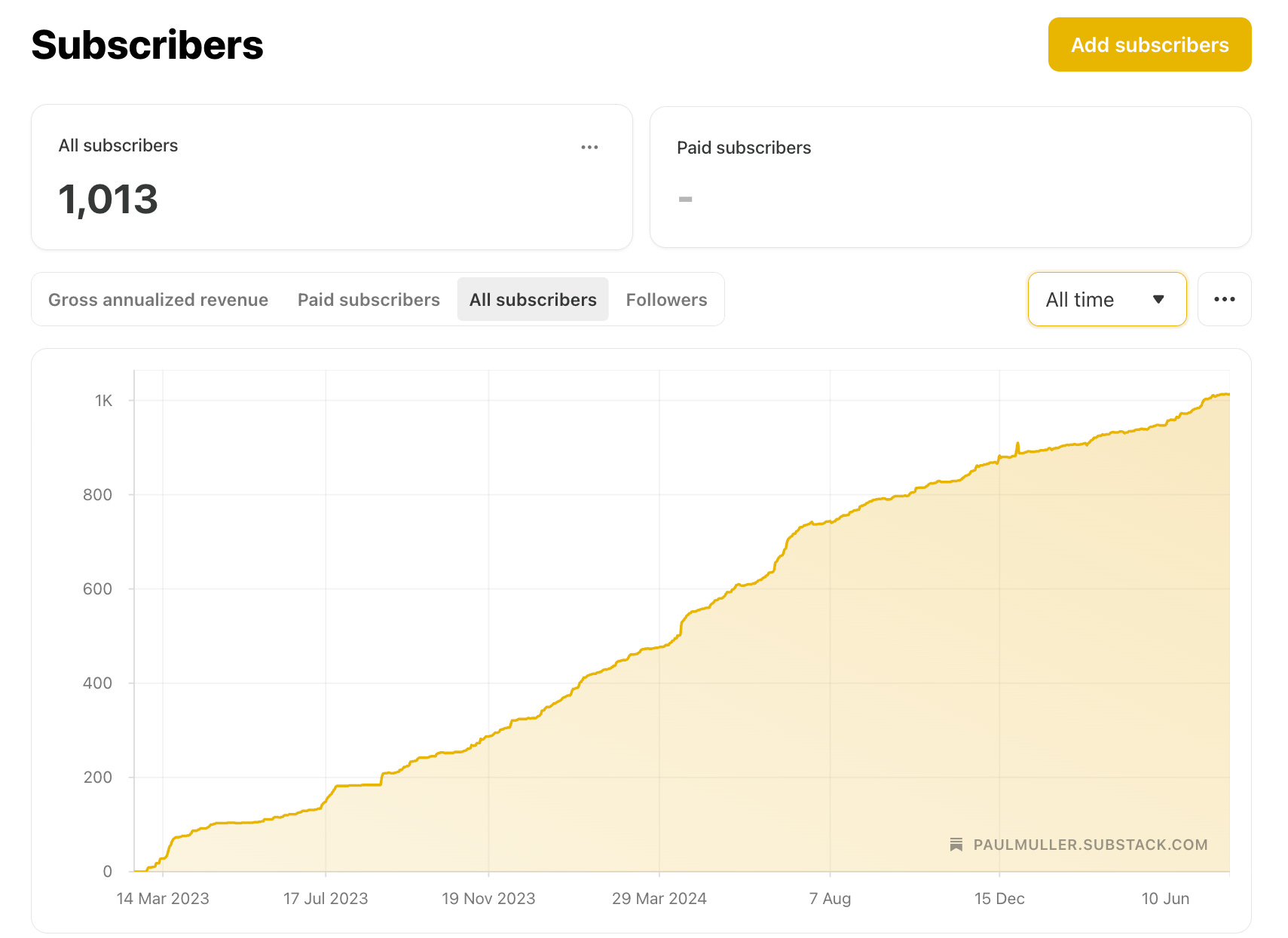
It's been a wild 2 years since I launched this newsletter, and boy, 1000 subscribers later, I've spotted 4 types of Hong Kong entrepreneurs:
- The Cyberport Bro: This guy decided to throw his business through the startup program at Cyberport - Hong Kong's top incubator - to gather funds and support. It's not easy to get in, but the massive help available is worth it. (Meet also his cousin, the Science Park Buddy)
- The B2B Corporate Employee Turned Founder: This guy spent 10 years working in a specific industry, but one day he waves goodbye to his 9-to-5 to build his own gig and takes 2-3 clients with them. Usually, his former boss goes after him for breaking a non-competition clause in the contract.
- The Finance Homie: Fed up with his stressful life working in finance, they quit to open the Italian restaurant he had been dreaming of since his youth. Way better than a burnout and more meaningful.
- The Solo Nerd (That was me): The guy who starts some gigs alone in a 10 meter square room in Kowloon with no support and little to spend. In Hong Kong, it's hard to reach the next level without a team, budget and investors. The best solution in this case is to find a passionate co-founder, build a SaaS and scale the business as fast as possible.
Quick mention about helpers who work hard on the side to make some extra income every Sundays: Cooking food, cutting hair, part-time cleaning…
So, who among these 4, who comes out on top? If I had to pick a winner, it'd have to be the Cyberport Bro.
This guy's got the whole package - finance, experience, and the resources to back it all up.
The rest will face tougher odds I guess.
Finally the best way to become a millionaire when you start a business in Hong Kong is to start out as a billionaire!
Peace
Seen in Hong Kong
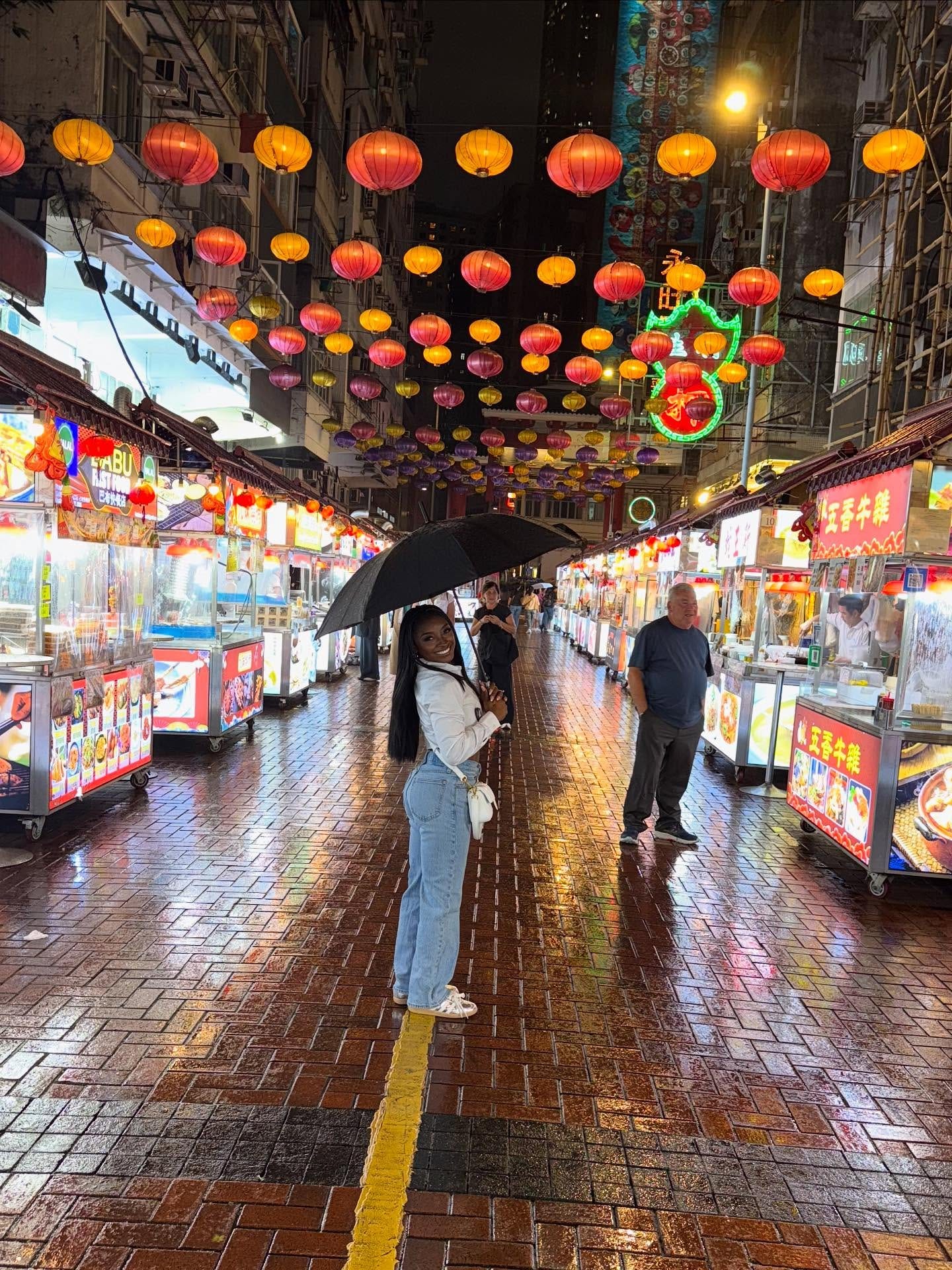
Simone Biles, the American 11-time Olympic medalist, was in town last week.
PS: You can find me on LinkedIn or join my Whatsapp group (+190 founders)
The LinkedIn Post of the Week
This guy keeps posting about Hong Kong on LinkedIn, and I’ve got a soft spot for people who highlight the city’s daily life and landscapes—even if it’s partly to promote their gig (but hey, who doesn’t on here?).
Don’t know him personally, but he deserves a shoutout!
PS: I can’t post a picture of the post, I reached the newsletter length limit.
Spotted a Light On…
I just discovered a UK-based filmmaker who recently created a short documentary on Hong Kong’s neon lights. He interviewed 2 prominent neon masters and a preservation society for it. Super interesting!
The Hassle Scale
Whenever someone shares a business idea with me, I always come up with the "hassle scale".
That’s the level of hassle you’re willing to put up with for this new gig—let’s rate it on a scale from 1 (easiest) to 10 (hardest).
Look, every business is a hassle, but you better minimise the amount of troubles from the start.
Imagine starting a gig here in Hong Kong, the world’s most expensive city, where time is money and everyone considers ROI when they do something.
Some businesses are ranking crazy high on the hassle scale, you better skip them:
- 8/10: Opening a restaurant: Sky-high rents or greedy landlords could shut you down within a couple of months. Plus, there's a shortage of F&B staff, and fewer tourists are willing to splurge on food (I guess that’s why local restaurants have an extra 10% service charge…).
- 7/10: Launching a fitness studio: Having customers doesn't mean profitability, because of expensive rent and fitness gears. You'd need to find a way to get people to pay for pricey personal coaching lessons, better target the wealthy crowd living in Mid-Level.
- 6/10: Running a trading company: Way harder than 20 years ago, especially when you're selling cheap stuff like toys or BBQs. You'd face fierce competition from Vietnam or Turkey, expensive rents, geopolitical headwinds, Trump and I haven’t mentioned dealing with Chinese factories.
Plus the hassle scale also applies to any online business ideas: coaching, content creation services or SEO writing are also ranking high.
Those digital gigs are tough sell (7/10) because it’s hard for prospects to understand the values you can provide (even though you save on rent).
So next time a business idea pops up into your mind, use my hassle scale:
Start at 5/10. Here’s how your score stacks up:
- Need to rent a space? +2
- Dealing with a supplier? +3
- Can’t explain your business in 2 sentences? +5
- Competing with AI? +4
- Starting from zero connections? +4
- Running it online? -1
- Still have a day job? -2
- Family bankrolls your dreams? -10
Final score = Your Sanity Tax
My scale can save you from turning bold and stressed, especially in a city where you have to pay a sh*tload of money every 30 days, whether it's for rent or payroll.
P.S. I suspect that 10-square-meter laundry shop near my place is actually a cash cow with a solid 3/10 hassle scale score.
The Ai Corner
Here's an interesting newsletter to boost your ChatGPT experience. While the bot isn't officially available in Hong Kong, I know many people who access it using a VPN.
Mary Meeker, a prominent Wall Street tech analyst in the 1990s who later became a well-known venture capitalist, has published her first Internet Trends report since 2019. She came out of retirement with a 340-page slide deck about generative AI.

OpenAI has reached $10 billion in annual recurring revenue in less than three years since launching its famous bot which has over 500 million users now! The company aims for $125 billion in revenue by 2029.
My Fav Read this Week
In just 8 years, Dave’s Hot Chicken flipped $900 in startup capital into a billion-dollar empire. How? Three buddies started selling Nashville hot chicken fingers out of an LA parking lot, and now, Roark Capital (you know, the guys behind Subway and Dunkin’) bought a majority stake at a ~$1B valuation.
Stephen Roach, the former Morgan Stanley Asia chairman is backtracking on his “Hong Kong is over” declaration. Turns out, he didn’t anticipate US-China tensions giving the city a new edge.
Mainland companies are flocking to Hong Kong, and it’s creating a ripple effect for local businesses, consumers, and even culture. A Chinese journalist has been diving into what this means for the city’s future.
BONUS: So, here’s a random thing I noticed while wandering around the streets of Osaka: most young students displayed the exact same backpack—the Randoseru. Turns out, there’s some pretty interesting stuff behind this bag.
The Entrepreneur of the Week
When I met Alex So for coffee 2 weeks ago, I had no idea what to expect—and honestly, he completely surprised me. A niche market like horse racing? That’s something I’d never even considered. It’s so far outside my usual world that I barely know anything about it (except for the occasional Wednesday night race at Happy Valley!). But as it turns out, it’s a huge industry here in Hong Kong.
Here is Alex’s story:
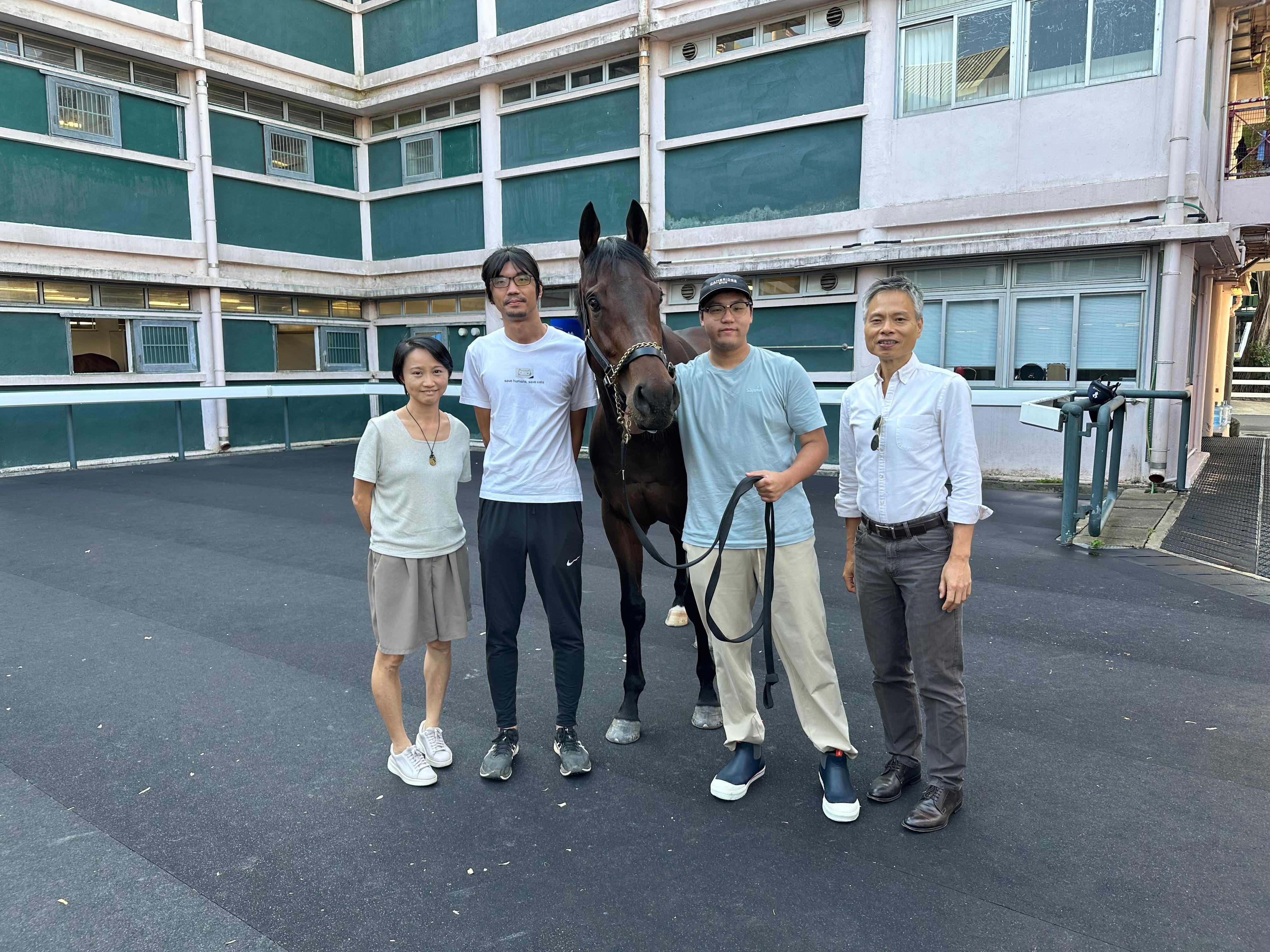
Growing up around my dad and his friends who worked in the finance industry, I set my sights on becoming a Forex trader.
After completing my degree and gaining extensive experience in the field, a new opportunity arose—I was accepted to Cambridge to study entrepreneurship and build my own startup.
Now, at 26, I find myself on a completely different journey, pursuing a new goal: merging technology and horse racing to transform the industry.
Horse racing is the lifeblood of Hong Kong. There’s no shortage of people tuning into the radio or sharing news about the industry.
Hong Kong even has off-course betting branches where fans gather to support the largest charity in the city on Wednesdays and Sundays.
Beyond the sport itself, horse racing has become a distinctive part of Hong Kong’s culture, with the Hong Kong Jockey Club (HKJC) reinvesting in schools, charities, and public infrastructure.
But while the sport is rich in history, it hasn’t widely embraced technology.
This gap is where I’ve found my niche—developing technologies and using data to enhance the welfare of thoroughbred racehorses.
I’ve teamed up with Professors Tak-Wah Lam and Loretta Choi at the University of Hong Kong to create something truly groundbreaking. Together, we’ve launched the Equine Analytics and Bioinformatics Lab, merging cutting-edge artificial intelligence, computer vision, biomechanics, and DNA mapping to better understand racehorses and their potential.
Our mission is to introduce AI, data science, and bioinformatics into a world that has relied largely on intuition for centuries.
AI allows us to make more informed decisions—not just about selecting horses with winning potential, but also about improving training methods, maintaining horse health, and preventing injuries.
One of our key goals is to develop technologies that enhance horse welfare.
For example, we aim to identify horses with a high risk of injury before they are imported to Hong Kong.
By doing so, we can ensure these horses live healthier lives abroad instead of being placed in an unsuitable environment.
Ultimately, our tools are designed not just for selecting potential champions but also for transforming how trainers care for their horses. There’s still a long way to go, but I’m confident we’re on to something big.
Of course, technology is only part of the equation. Horse racing is a delicate balance of art and science, and I’ve been lucky to learn from John Foote, a legendary bloodstock agent with an impressive reputation.
Over decades, John has consistently identified champion racehorses, earning the trust of trainers and owners worldwide. Beyond his expertise, he’s deeply committed to the industry, having founded the Federation of Bloodstock Agents Association in 1988.
John has been a key mentor in this project, teaching me about equine conformation—the way a horse walks, moves, and carries itself. His knowledge has been incorporated into our AI models, blending decades of experience with data-driven insights.
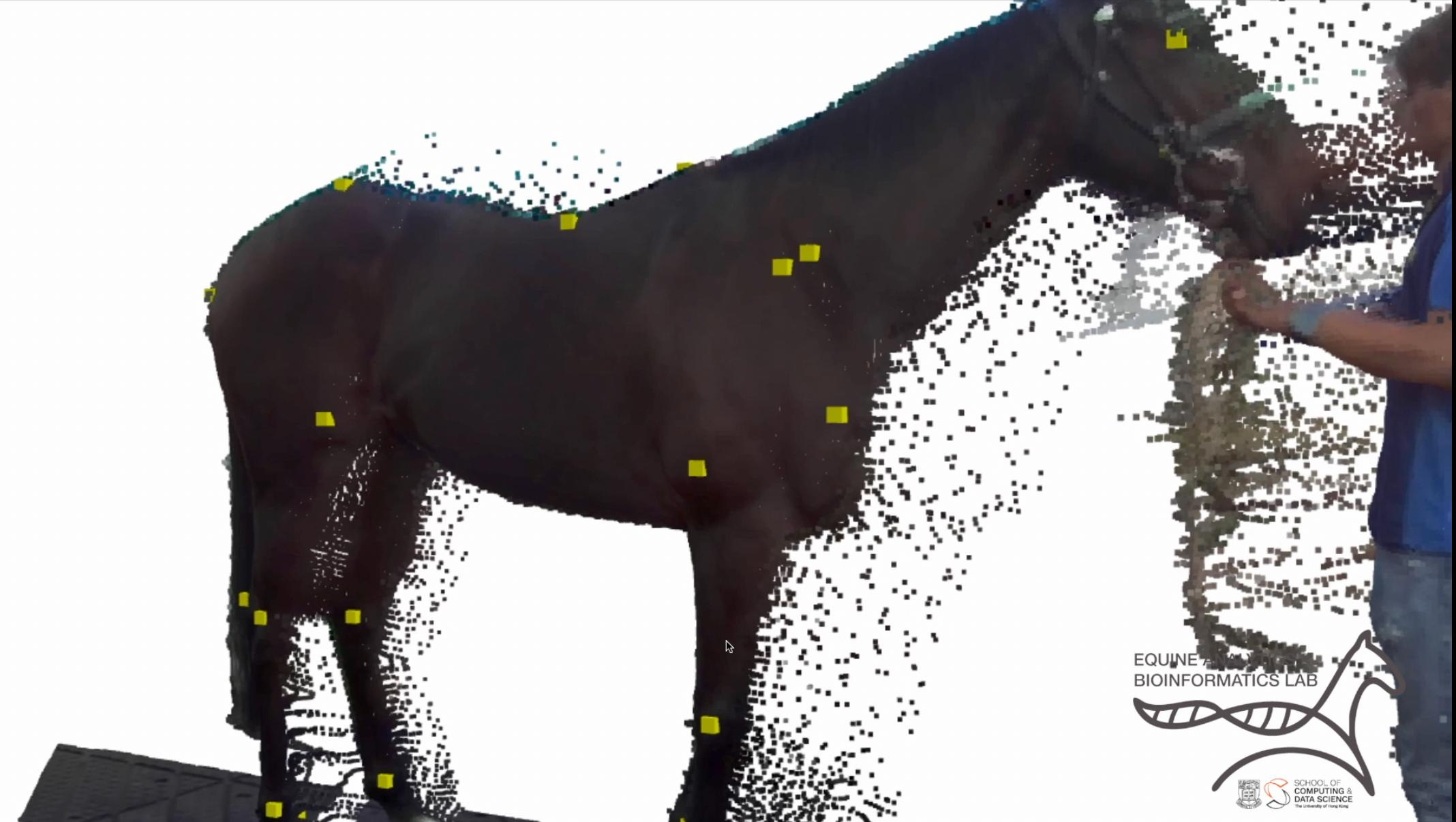
With AI, we’ve already achieved the ability to identify key anatomical features of a horse, such as joints, skeletal points, and muscle mass.
Soon, we’ll add bone density to the model. But we’re not stopping there. Next, we’re training the system to analyze videos of horses in motion, capturing how they move and distribute force. Imagine being able to determine not only how a horse is built but also how it performs on different surfaces, like Hong Kong’s hard turf or Dubai’s sandy tracks.
That level of insight could be a game-changer for the industry.
The potential for improving horse welfare and advancing the sport is huge. As I look ahead, I’m incredibly excited about what’s next. Whether it’s attending yearling sales to expand our dataset, refining our AI models, or collaborating with industry leaders, every step feels like progress toward something transformative.
This journey has been filled with hard work and countless early mornings, but it’s also been one of the most rewarding experiences of my life.
One of the highlights has been witnessing the incredible support we’ve received from collaborators worldwide—Hong Kong, New Zealand, Australia, the UK, and Argentina.
Seeing the excitement on the faces of groomers, breeders, and trainers when we share our progress is a constant source of motivation. It reminds me why we do what we do.
For me, this journey is more than just a business gig. “Save horses, inspire minds” isn’t just a slogan—it’s a mindset.
My goal is to make horse racing safer, smarter, and more sustainable. Hong Kong’s racing culture, supported by the HKJC’s contributions to public infrastructure, plays a vital role in the community.
Improving horse welfare doesn’t just benefit the sport—it benefits the entire city.
We hope to embody the HKJC’s slogan, “Riding high together for a better future!” I can’t wait to see where this wild ride takes us…(Pun intended).
If you want to chat about horses with Alex, you can find him on LinkedIn, Instagram or his website.
If you have not done it yet:
Read my thoughts on Linkedin (+8300 followers) or join my Whatsapp group
You need help with your website? Answer these 3 questions and get an automated quote right away